If you have been to a few networking events and left with a pocket of business cards and no new clients, a referral group is the format built to fix that. This guide explains what a referral group is, how it compares with other ways to network, what happens at a typical meeting and how to tell whether one is working.
What is a referral networking group, exactly?
A referral group (also called a business referral group or a leads group) is a standing group of professionals who agree to look out for business for one another. Three features usually define it:
- Fixed membership. The same people meet again and again, so trust builds over time.
- Category protection. Most groups allow one member per profession or industry. You will not sit next to a competitor, and the group knows exactly who to send for each kind of need.
- Accountability. Members are expected to attend, and the group tracks referrals given and received.
The logic is simple. Your best future clients probably already know someone in the room. A realtor knows people who need a lender. A lender knows people who need an insurance agent. An insurance agent knows people who just bought a business and need an accountant. A referral group turns those everyday conversations into warm introductions.
How is a referral group different from a chamber of commerce?
A chamber of commerce is a membership organization for the business community of a city or region. Chambers do valuable work: advocacy, ribbon cuttings, community events and large mixers. Many also run young professional programs and some run smaller member groups.
| Chamber of commerce | Referral networking group | |
|---|---|---|
| Purpose | Broad business and community advocacy | Passing business between members |
| Size | Hundreds or thousands of members | Usually a few dozen per group |
| Competitors in the room | Common | Usually not allowed |
| Attendance | Optional | Expected |
| Tracking referrals | Rare | Standard |
Many professionals belong to both. A chamber gives you visibility across the wider business community. A referral group gives you a small circle that actively sends you business.
How is it different from a happy hour or an open networking event?
Open events are great for meeting new people and getting out of the office. They are low commitment: show up when you want, leave when you want. See our guide to young professional networking in Indianapolis (/resources/young-professional-networking-indianapolis) for the best ones.
The trade-off is depth. At an open event, most people you meet you will never see again. In a referral group you see the same people every meeting, learn what a good referral looks like for each of them, and they learn the same about you. That repetition is what produces referrals.
What happens at a referral group meeting?
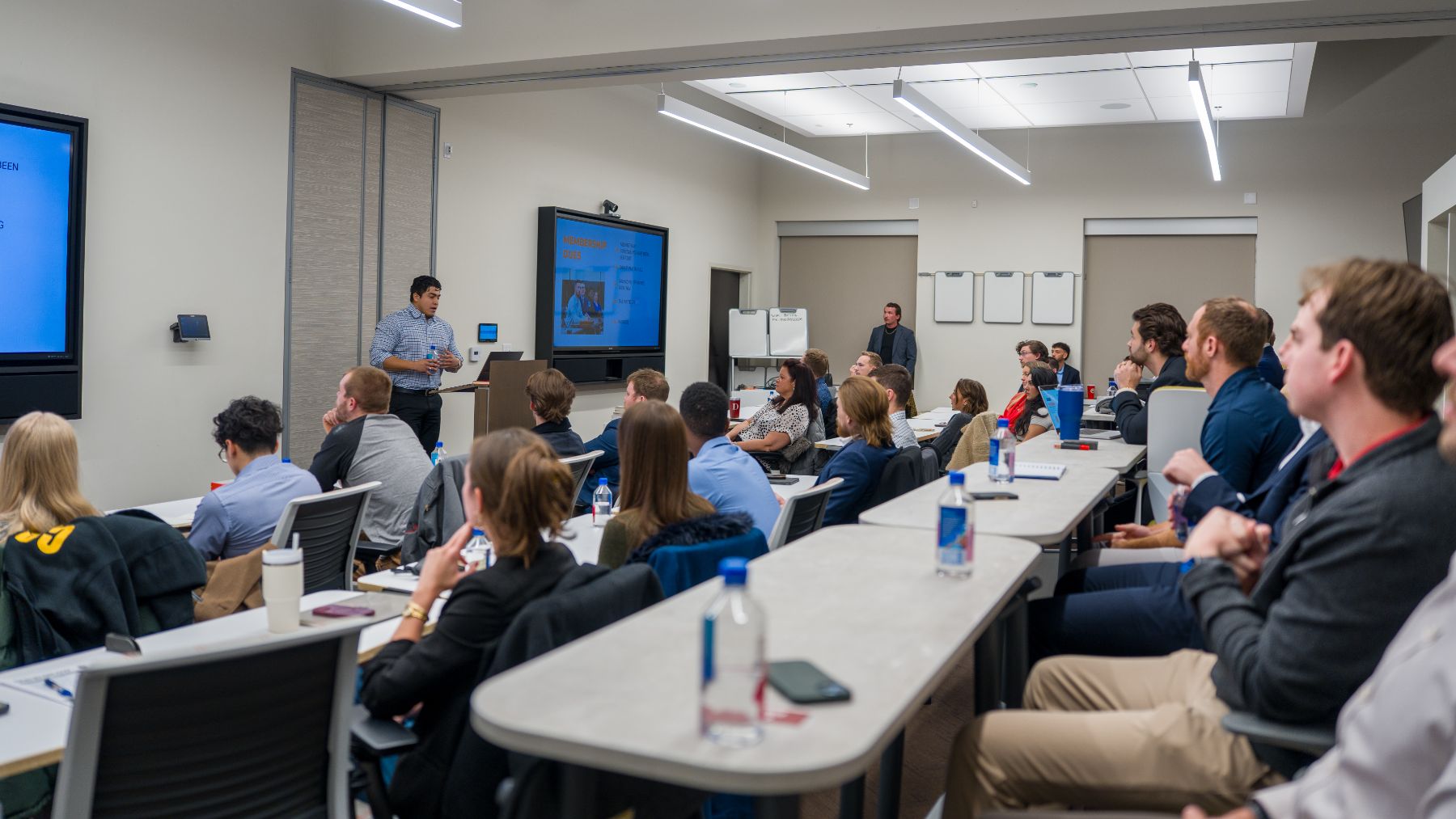
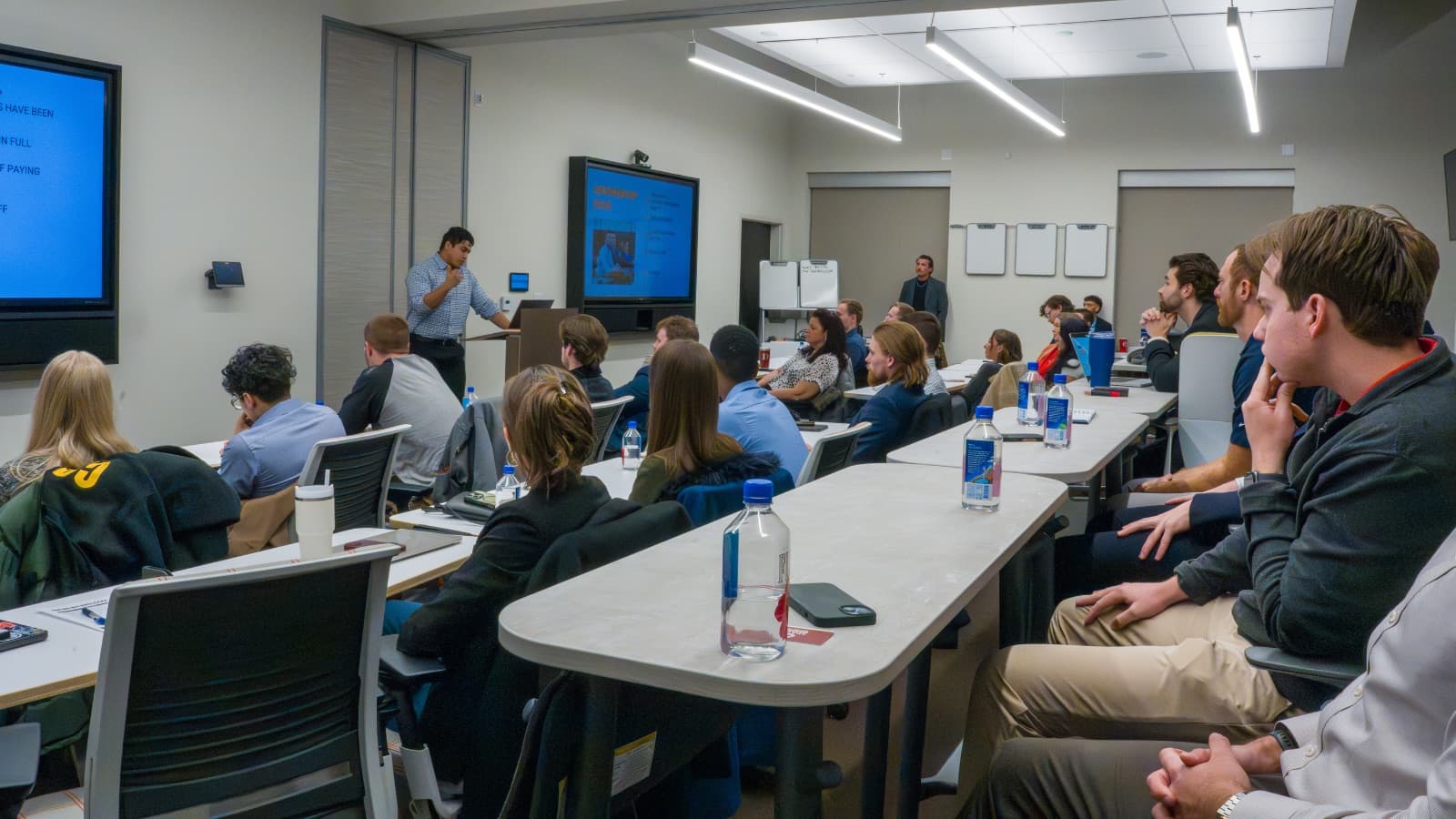
Formats vary, but most meetings follow a similar rhythm. A Hive Network colony meeting, for example, runs about 75 minutes:
- Open networking before the agenda starts, where many relationships begin.
- 30-second pitches, so everyone hears what each member is working on and who they want to meet.
- Referrals and coffees reported, where members share what they have given and received since the last meeting.
- Announcements.
- A member highlight and a masterclass, a short spotlight on a member and a teaching moment.
Other groups add featured speakers, education segments or “who do you know” rounds.
How often do referral groups meet?
It depends on the group. Many traditional referral groups, including BNI chapters and H7 groups around Indianapolis, meet weekly. Others meet every other week or monthly. Hive Network colonies meet once a month, and members add one-on-one coffees between meetings.
What makes a referral group actually work?
Joining is easy. Getting value takes effort. The members who get the most out of any referral group tend to:
- Show up. Missing meetings means people forget what you do.
- Give first. The fastest way to receive referrals is to send them.
- Teach the room. Be specific about your ideal client and what a good introduction sounds like.
- Meet one-on-one. A 30-minute coffee teaches more about someone's business than a year of meetings.
- Follow up fast. A referral you do not call within a day is a referral you may lose, along with the trust of the person who sent it.
Where can you find referral groups around Indianapolis?
Central Indiana has a range of options, including BNI chapters, H7 Network, Best of Indy and Hive Network. Each has its own cadence, cost and culture. We compare the two best known in Hive vs BNI in Indianapolis (/resources/hive-vs-bni-indianapolis).
Hive Network is an application-only referral group for young professionals, with colonies in Carmel, Fishers, Southside and Westfield. As of October 2026, Hive had 76 active members, 157 referrals passed and $234,166 in closed business, all logged in the Hive member portal. Membership for 2027 is $600 a year, or $700 a year paid monthly.
What is a referral networking group?
A small, recurring group of professionals from different industries who meet regularly to pass each other qualified business, usually with one seat per profession and tracked referrals.
Is a referral group the same as a chamber of commerce?
No. A chamber serves the whole business community. A referral group is a small, committed circle focused on passing business between its members.
How often do referral networking groups meet?
Many meet weekly. Some meet every other week or monthly. Hive Network colonies meet once a month.
Why do referral groups allow only one person per profession?
So members never compete with each other and the group always knows who to refer for each kind of need.
How do I know if a referral group is working?
Ask for its numbers: members, referrals passed and closed business, plus the dates they cover. Then visit a meeting.
Next step: See how a Hive colony meeting runs at /membership, then request a visit at /colonies. Questions: info@hivenetworkofficial.com. Instagram: @jointhehive_.